

Info
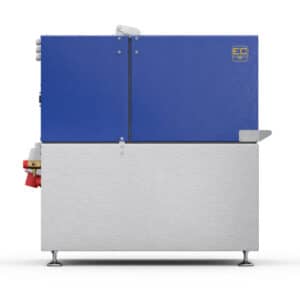
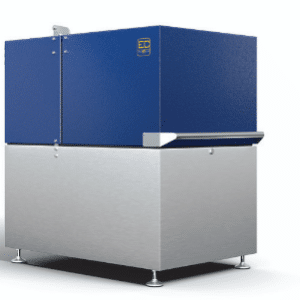
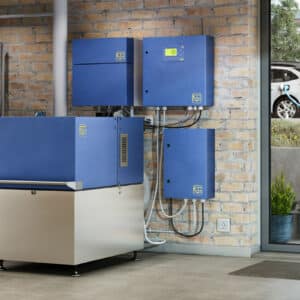
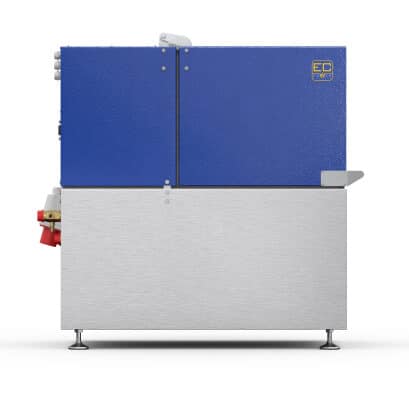
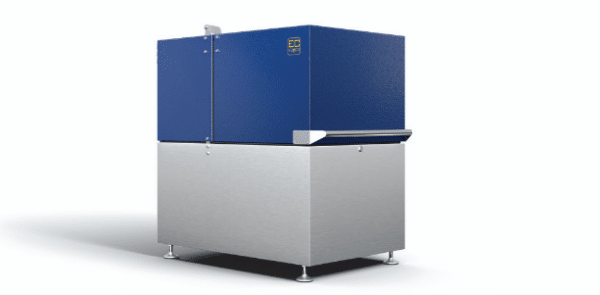
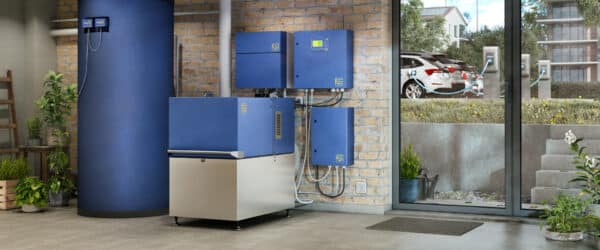
These combined heat and power units achieve a total efficiency of up to 106% and make cogeneration an attractive option even for low energy demands.
1. If power generation is designed based on hot water demand
Hot water supply becomes completely free of charge. Existing hot water boilers can be switched to backup mode or completely shut down, saving boiler fuel as well as depreciation and maintenance costs. The property owner/client can independently decide the percentage of grid power (Taipower) to be offset by on-site power generation.
2. If power generation is the primary objective
During summer, hot water production may significantly exceed demand, requiring a cooling tower for heat dissipation. Alternatively, it can be integrated with an absorption chiller to convert excess waste heat into air conditioning, satisfying the cooling needs of offices, factories, or dormitories. The remaining waste heat is still sufficient to generate a large volume of hot water to fulfill usage needs. The system can be flexibly custom-designed to the client’s specifications and automatically adjusts according to seasonal demand.
System Lifespan Evaluation: The original equipment manufacturer (OEM) utilizes specially designed, customized Toyota internal combustion engines from Japan, which feature extremely high efficiency and remarkable durability. The equipment requires maintenance every 2 years or 6,000 operating hours, and a major overhaul every 12–15 years, after which it can continue operation. The OEM provides complete overhaul spare part kits and training for maintenance procedures.
Setting up this system alongside the original emergency diesel generator increases total emergency power capacity.
The key difference is that gas generators can run 24/7/365, fully recovering their cost over time. In contrast, emergency diesel generators remain idle under normal conditions, supplying zero power while creating air pollution and labor overhead during annual testing routines.
Environmental & Grid Benefits: The system reduces peak load on the Taipower grid during summer, enhancing overall grid stability. Compared to diesel generators, it emits significantly lower vibration, noise, and air pollution. It is ideal for hospitals, nursing homes, shopping malls, hotels, factories, farms, military facilities, and government institutions.